
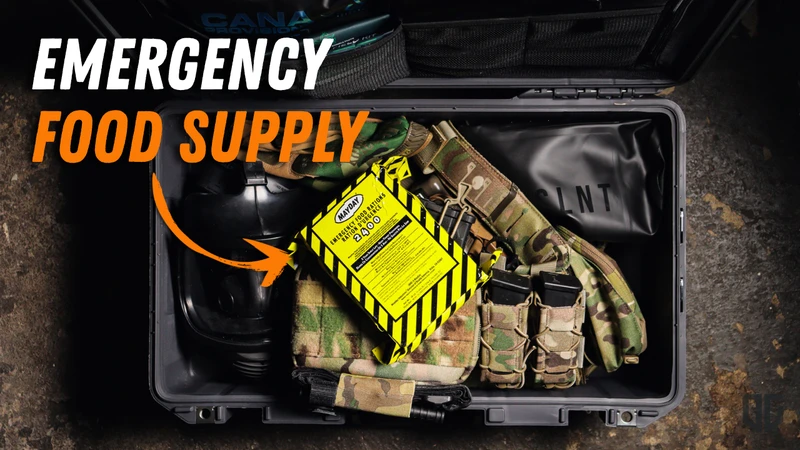
Long-Term Food Supply: How to Stock Up for Emergencies
PREPAREDNESS / FOOD SUPPLY
Peter Rome | September 28, 2026 | 9 min read
In February 2021, Winter Storm Uri knocked out power to millions of Texans for days and triggered a statewide grocery supply chain collapse. In September 2024, Hurricane Helene did something similar to western North Carolina: floodwaters destroyed Asheville's water system, leaving 100,000 residents without drinkable water for more than 50 days (a good reminder that a personal water plan matters as much as a food one, see our guide to water decon kits), while washed-out roads and bridges blocked supply trucks from reaching the region at all.
Neither event was rare or theoretical, and they're not the only two. They're recent, well-documented proof that grocery stores, water systems, and roads can all fail at once, that it can happen within days rather than weeks, and that resupply isn't guaranteed to arrive on any particular schedule. With the scarcity of resources comes civil unrest, fear, and desperation. During the early weeks of COVID-19, researchers studying the shortages found that fear and perceived scarcity pushed some shoppers into open conflict over items as ordinary as hand sanitizer. That's exactly the situation you want to be sitting out with a supply of your own, not competing for what's left. Below, we break down emergency food options so you can build a supply that gives your family long-duration coverage and security, from long-term food supply kits to emergency rations when on the move.
Table of Contents
What to Look for in an Emergency Food Supply
- Shelf life. Freeze-dried food packed for long-term storage can last up to 25 years unopened, versus 2–5 years for standard grocery-store canned goods. Long shelf life is valuable when buying food in bulk.
- Prep requirements. Some freeze-dried food supplies require you to boil water. Bar rations need nothing and are ready to eat. Self-heating meals, like MREs, need a small amount of water added to activate the heater, but no flame or stove. Know what you'll actually have access to in a real event before you buy.
- Caloric density and servings. A kit's total calorie count matters less than calories per person per day. A "week supply" built for one adult won't stretch to feed a family of four for a week. Check servings and nutrient density.
- Weight and storage footprint. A one-year supply belongs in a basement or garage, not a bug-out bag. Bar rations and single-serve pouches work well in a go-bag or vehicle.
- Protein content. This is the category most base kits shortchange. Rice, pasta, and freeze-dried fruit are calorie-dense but protein-light, so plan to supplement.
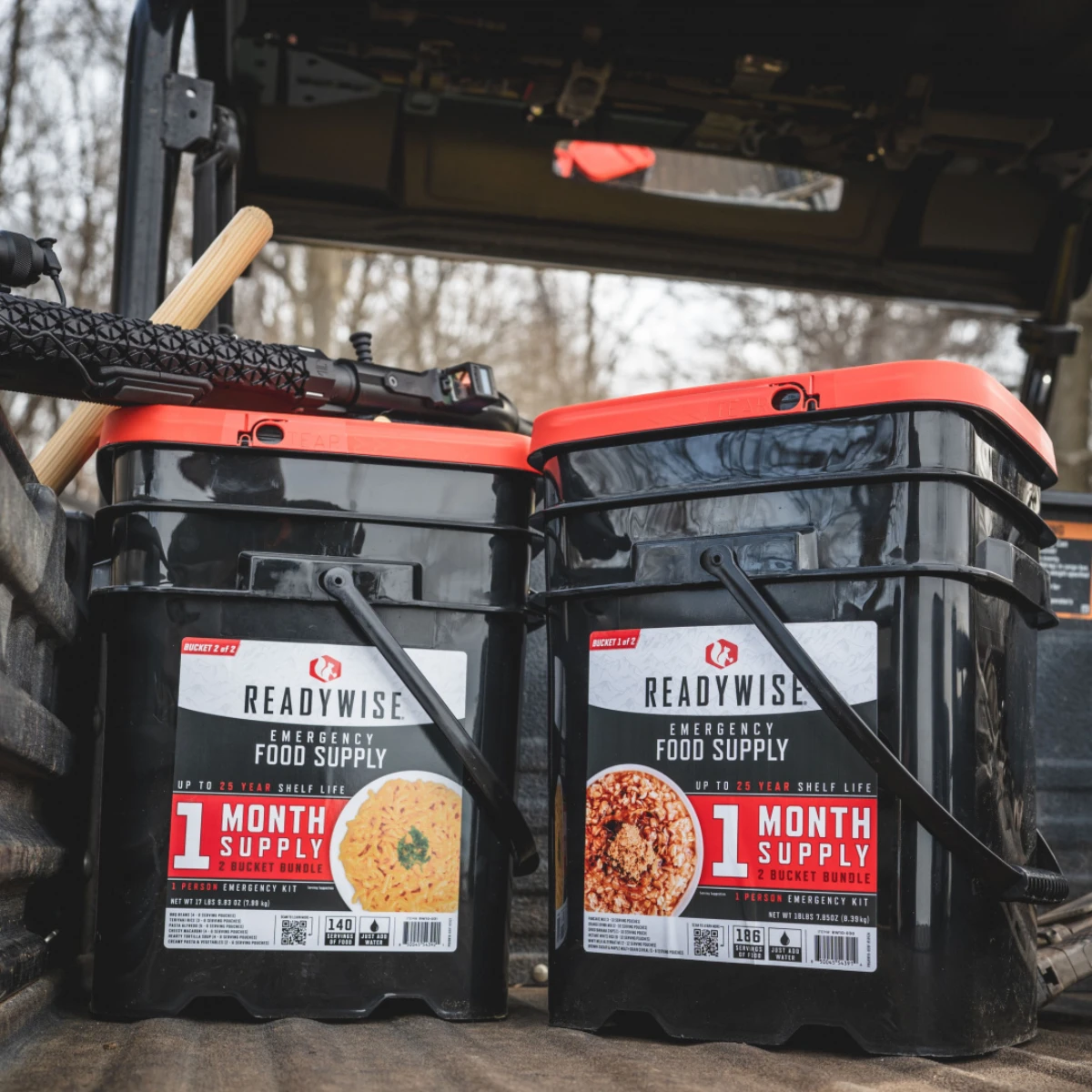
Fig. 1: A multi-bucket emergency food supply kit |
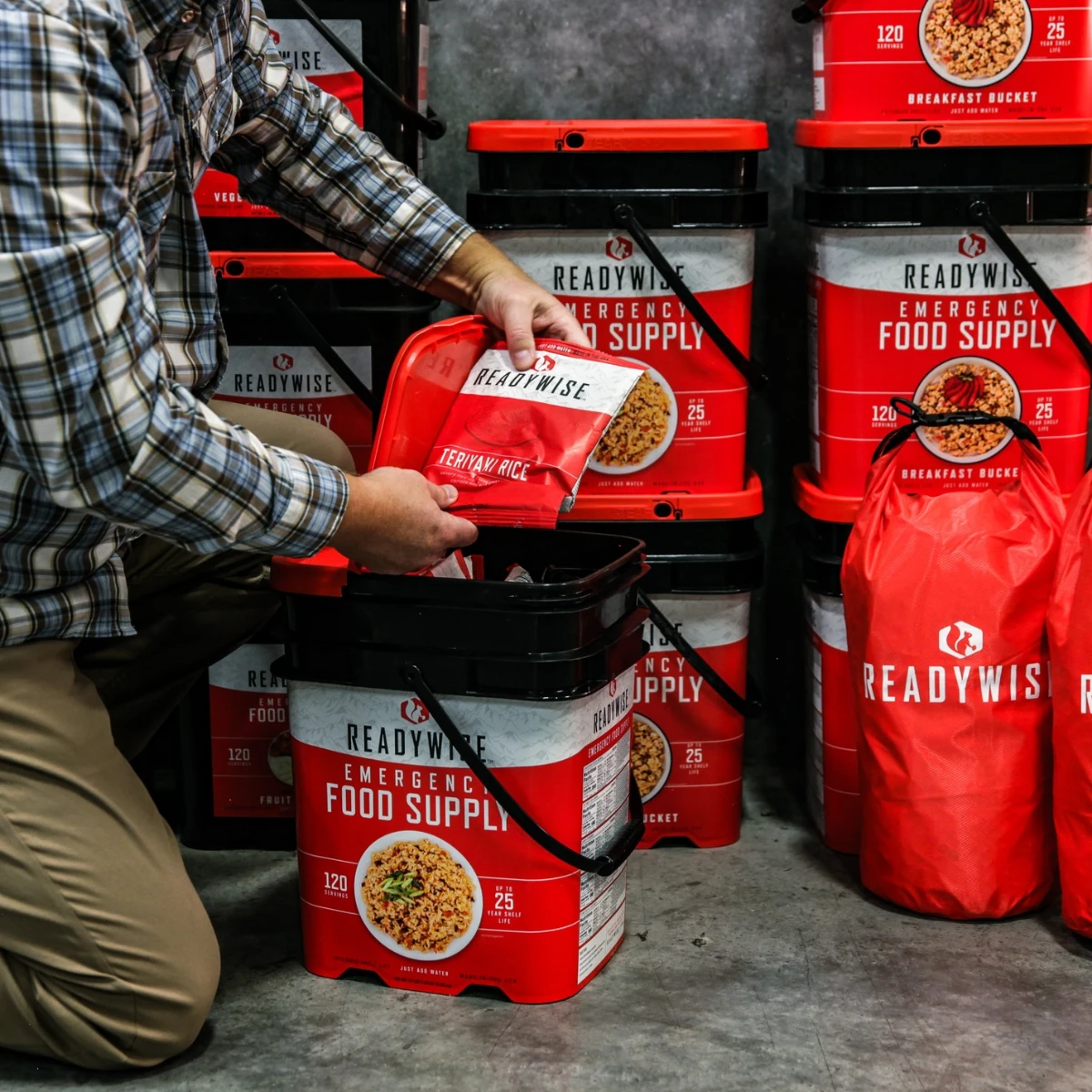
Fig. 2: A layered emergency food supply |
Which Type of Emergency Food Should You Use, and When?
Food Supply Kits
The right call when you're sheltering in place through an extended outage or supply disruption and need a self-contained pantry that doesn't depend on stores staying open or restocked. They're not built for portability, but store well in a basement or temperature controlled garage.
Canned Food
The best way to supplement preassembled entrees. You can work it into regular meals and replace what you use, which keeps your stockpile fresh instead of sitting untouched until an expiration date forces a wasteful swap-out. It's also how you fill the gaps a base kit leaves (produce, dairy, protein, pantry staples). It's not the category to grab for a bug-out bag, but works great alongside a long term supply.
Bar Rations
For situations where weight and pack space matter more than variety: bug-out bags, vehicle kits, or as the floor-level ration you fall back on if you have nothing else. They're not meant to be a primary food source over weeks. Compressed bars fatigue fast, and a diet of nothing else gets hard to stomach after day three.
Self-Heating Meals
Solve one specific problem: no ability to cook. Vehicle-bound sheltering, a power outage with no safe way to strike a flame, or any scenario where a stove isn't an option: that's where a flameless heater earns its higher per-meal cost. Just add room-temperature water to activate the heating pad. Morale matters too; a hot entrée beats a cold bar when things are already stressful.
Protein
Isn't a standalone category. It's the fix for what every other category above might underdeliver. Canned or freeze-dried protein can help keep your mind and body functioning better than carbs alone. It's something you'll be grateful to have when the next emergency hits.
Emergency Food Options at a Glance
| Category | Best For | Shelf Life | Prep Required |
|---|---|---|---|
| Food Supply Kits | Whole-household, long-duration coverage | Up to 25 years | Boiling water |
| Canned Food | Rotating pantry staples, bulk nutrition | Up to 25 years (freeze-dried) | None / Boiling Water |
| Bar Rations | Bug-out bags, vehicle kits | 5 years | None |
| Self-Heating Meals | No flame or heat source available | Multi-year (check case date) | Room-Temp Water to Activate |
| Protein | Filling the nutrition gap in any kit | Up to 25 years | Varies by product |
Food Supply Kits: How Long of a Supply Do You Actually Need?
Most households should start with at least a two-week supply per person and scale up from there based on storage space and risk tolerance. There's no way to guarantee how long any one emergency will last, but you don't really run the risk of your food supply going bad when it is stored properly. The benefit of a freeze-dried food supply is that you can pretty much set it and forget it; stack up months of emergency food and not think about it again until you need it. The meals are nearly ready to go, just needing to be rehydrated with hot water. This method of preparedness is a popular way of ensuring your family will maintain access to food in an emergency.
ReadyWise builds its emergency food supply kits around 25-year-rated freeze-dried entrées, scaled across a range of bucket sizes so you can size the purchase to the timeframe you're planning for.
Canned Food: What's the Real Shelf Life of "Canned" Emergency Food?
This category is also the clearest example of how fast "ordinary" can turn into "gone." In March 2020, as COVID-19 lockdowns began, Americans rushed to stock up on shelf-stable staples, and grocery shelves emptied within days. It wasn't because the U.S. had run out of food, it was because a sudden shift in buying behavior overwhelmed parts of the retail supply chain. Consumers who normally relied on restaurants were suddenly buying almost all of their food at grocery stores, creating shortages of products like pasta, rice, flour, and canned goods.
Emergency "canned" food isn't the same thing as a supermarket can. It's freeze-dried food sealed in a #10 can, which is why it carries a shelf life of up to 25 years instead of the 2–5 years you'd get from wet-pack canning, with no refrigeration required either way. That distinction matters when you're comparing what you already have in the pantry to what you're adding for long-term storage.
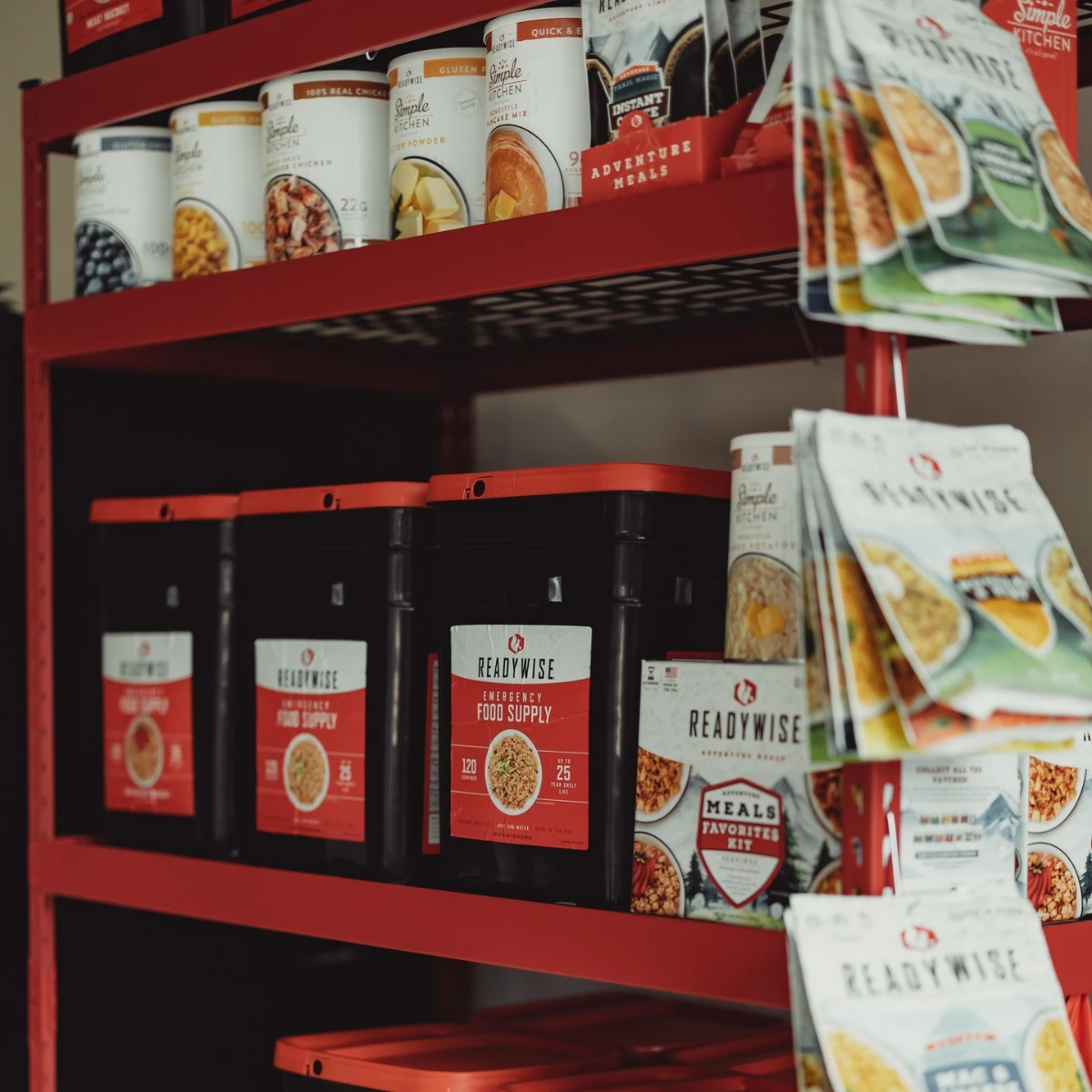
Fig. 3: Canned pantry staples |
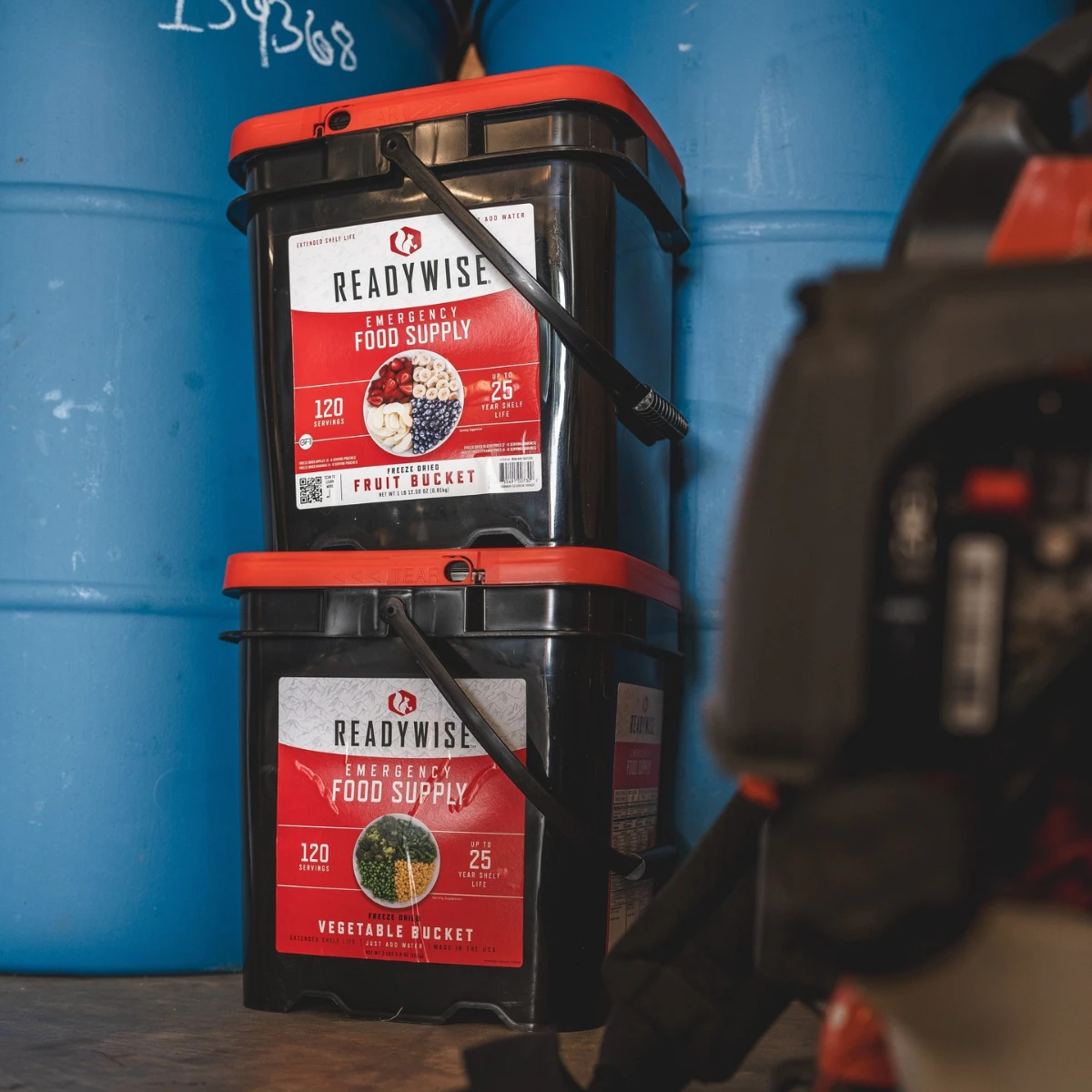
Fig. 4: Freeze-dried fruits and vegetables |
This is a great way to add ingredients to your long-term supply, not just pre-made meals. This helps add variety to what you're eating, supplementing nutrition and helping with things like digestion, fatigue and morale. It adds the sort of everyday items that make your emergency supply feel more like a kitchen than a bunker.
Bar Rations: What Are They Built For?
A bar ration is a compressed calorie block built for survival, delivering a full day's worth of calories in one bar. As the name implies, these bars are intended to be rationed out, used in emergency situations where calories are in short supply. We carry Coast Guard-approved options built to deliver a multi-day caloric supply in a compact block, rated for a 5-year shelf life.
These belong in a bug-out bag or a vehicle kit, not as your primary food source, but as the calorie floor you fall back on when you can't stop to cook. Coast Guard approval means a recognized standard for caloric content and packaging durability under field conditions, worth checking for if you're comparing bar rations elsewhere.
Self-Heating Meals: How Do Self-Heating Meals Work Without a Flame?
A self-heating meal uses a flameless ration heater: a pad of magnesium-iron alloy that you activate by adding a small amount of water, triggering an oxidation reaction that produces heat without any open flame, stove, or external heat source. That makes them the right pick for situations where cooking isn't an option at all: vehicle-bound sheltering, power-out conditions, or any scenario where striking a flame is impractical or unsafe.
Popular for camping and backpacking, self heating meals also work great in an emergency preparedness plan. Not having the means to boil water is not an unlikely scenario. A self-heating meal bypasses that restraint and gives you access to a hot meal amidst a power outage and empty store shelves. Even if you have freeze-dried food, having some self-heating kits on hand can help when heating water is especially challenging.
Protein: Why Does Protein Deserve Its Own Place in an Emergency Food Supply?
Many base food-storage buckets lean heavily on rice, pasta, and starches, which cover calories but fall short on the protein your body needs to maintain strength and immune function through an extended, high-stress situation. That's why protein deserves a dedicated line item, not an afterthought.
Freeze-dried diced chicken, beef, and sausage are shelf-stable proteins that rehydrate into meals close to what you'd normally cook day to day. Powdered eggs are the other high-value protein add, available in both smaller cans and bulk buckets, giving you a breakfast protein source that adds nutrition and familiarity to your emergency supply.
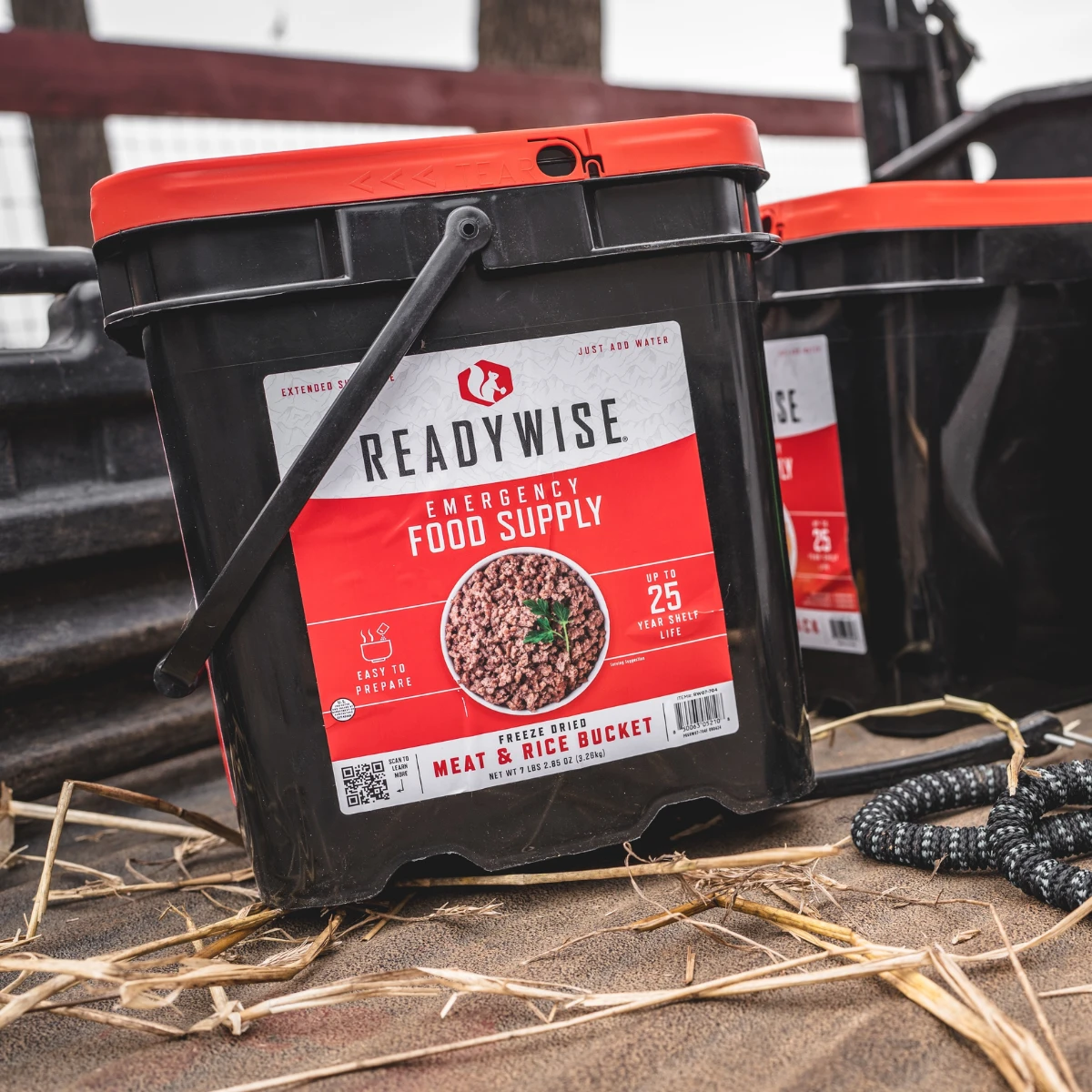
Fig. 5: Freeze-dried meat and rice bucket |
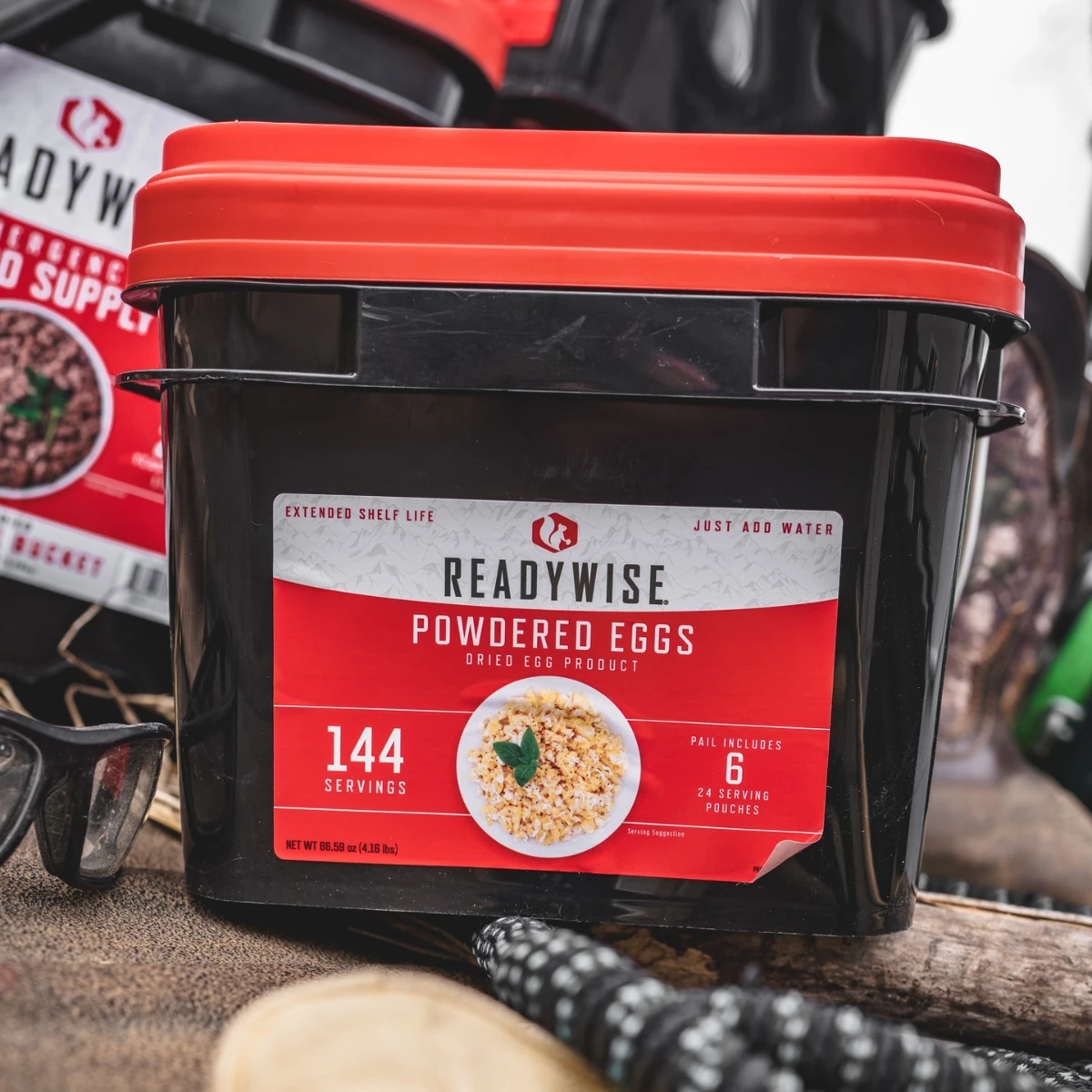
Fig. 6: Powdered eggs bucket |
Frequently Asked Questions
How much emergency food should one person store?
Ready.gov's baseline is a minimum three-day supply for evacuation situations, but the prepared-citizen standard is closer to two weeks as a starting point, scaling toward 30, 90, or 365 days based on your household's risk tolerance and storage space.
Is "canned" emergency food the same as grocery-store canned food?
No. Emergency canned food is freeze-dried and sealed in a #10 can for a shelf life of up to 25 years, versus the 2–5 years typical of standard wet-pack canned goods from the grocery store.
Do self-heating meals need water to work?
Yes. You add a small amount of water yourself to activate the flameless heater pad, that's what triggers the reaction. You don't need cookware or a flame, just a small amount of water, which is easy to carry or ration even in a constrained situation.
Are bar rations a substitute for a full emergency food kit?
No. Bar rations are built for compact, short-term calorie coverage in a bug-out bag or vehicle kit. They're a supplement to a full food supply kit, not a replacement for one.
Why do emergency food kits run short on protein?
Bulk freeze-dried buckets are optimized for calories per dollar and long shelf life, which favors rice, pasta, and starch-based entrées over protein, which costs more to freeze-dry and store at scale. That's why a dedicated protein add-on matters.
How long does freeze-dried emergency food actually last?
Most freeze-dried buckets and canned products carry a 25-year shelf life when stored properly and unopened. Bar rations and self-heating meals have shorter windows (commonly around 5 years), so check the specific product's rated shelf life before treating every category the same.
A real emergency food supply is layered: a base kit for duration, canned goods for pantry-style nutrition, bar rations for portability, self-heating meals for when you can't cook, and protein for supplemental nutrition. Also consider your water supply needs, medication, and vitamin supplementation. This may seem like a lot, but having a simple emergency food bucket, water filter, and some canned essentials can put you way ahead of where you are now. The question isn't if an emergency will strike, it's when. Being stocked with emergency food keeps you and your family safe and functional, not panicked and at risk.
Peter Rome
Off Grid Warehouse
-
 PREPAREDNESS / HUNTING Peter Rome | October 16, 2026 | 7 min read Hunting and preparedness over …Oct 16th 2026
 -
 PREPAREDNESS / FOOD SUPPLY Peter Rome | September 28, 2026 | 9 min read In February 2021, Winter …Sep 28th 2026
 -
 EDC / EVERYDAY CARRY Joe Giumarello | August 21, 2026 | 7 min read Fig. 1: Everything in this …Aug 21st 2026