
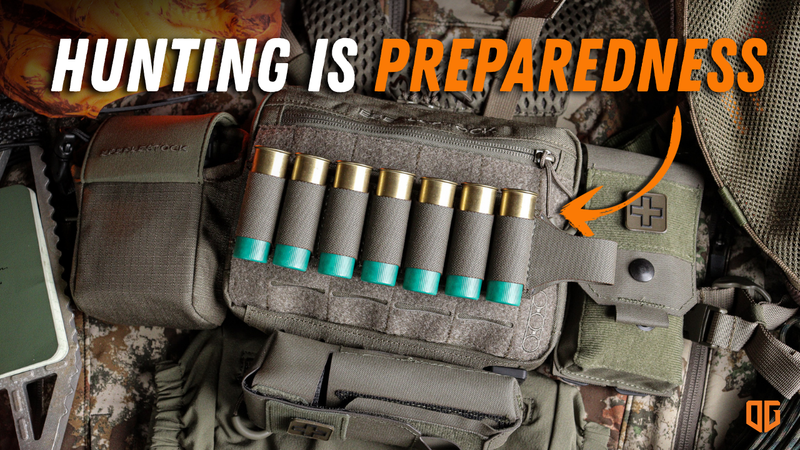
Hunting and Preparedness: Why the Skills Overlap
PREPAREDNESS / HUNTING
Peter Rome | October 16, 2026 | 7 min read
Hunting and preparedness overlap in more ways than you might expect. Hunting is a form of self-sufficiency, and multi-day hunts in particular give you reps in a lot of the same skills that come up in preparedness, from packing supplies and carrying heavy loads over rough terrain to filtering water, rationing meals, and sleeping outside.
It's also just a great way to disconnect and have incredible experiences in God's creation. We believe prepared citizens should be able to procure food without relying on the supply chain, and hunting is a great skill, hobby, and means of feeding your family. Here's where we see the two overlapping, where they don't, and how to get started if you're curious.
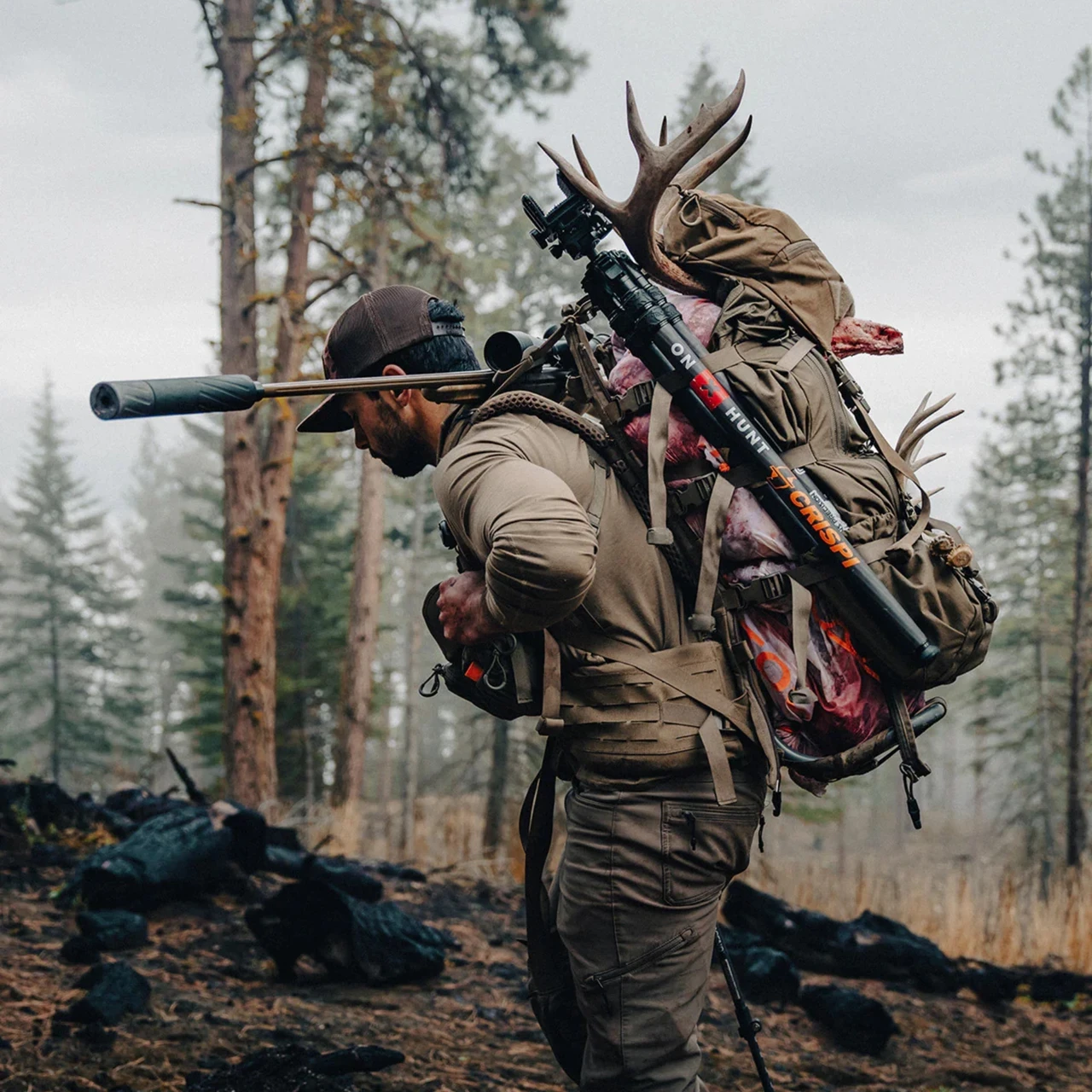
Fig. 1: Packing out after a successful hunt
Where Do Hunting and Preparedness Overlap?
In our experience, a multi-day hunt feels a lot like a practice run for an emergency. You're away from home, carrying everything you need, and solving problems as they come up.
Packing Supplies and Carrying Heavy Loads
Before you ever leave the truck, you're deciding what goes in the pack and what stays home. Then you carry it over rough terrain, and if the hunt goes well, you carry a lot more weight back out. You start to learn how a good frame and hip belt move weight off your shoulders, how to pack so the load stays stable, and how much conditioning it really takes.
A lot of that carries over to packing an emergency bag for your home or vehicle, or moving supplies on foot when a vehicle can't get through. Hunting-specific packs and load-hauling frames from outdoor brands like Eberlestock are designed for heavy loads over rough ground, and we think those same features make sense in a bug out bag too.
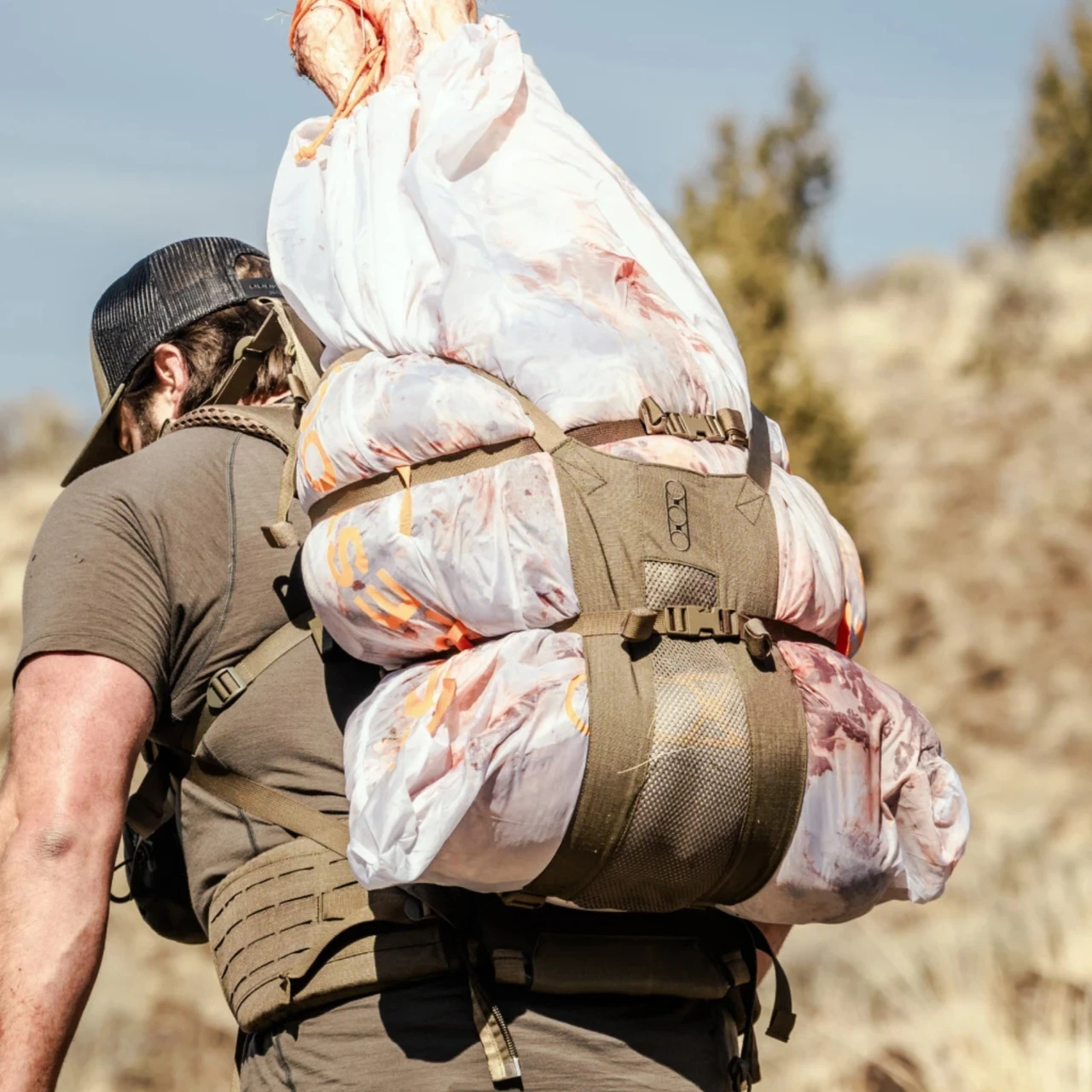
Fig. 2: Meat loaded and strapped to a frame pack
Staying Comfortable and Sleeping Outside
Hunting puts you out in cold, wet, and windy weather, sometimes for days. Over time you figure out how to layer, stay dry, and get a decent night's sleep on the ground with the right shelter and sleep system. Being comfortable in uncomfortable situations feels like a big part of preparedness to us, and the only way we know to build it is by doing it.
Rationing Food and Treating Water
On a multi-day hunt you pack the food you need and make it last, and you filter and purify water from whatever source you find. Those are skills you hope you never need at home, but they're the same ones that come in handy if the faucet water turns bad or the grocery store shelves go empty. If you want a simple way to treat water on the move, take a look at our guide to water decon kits.
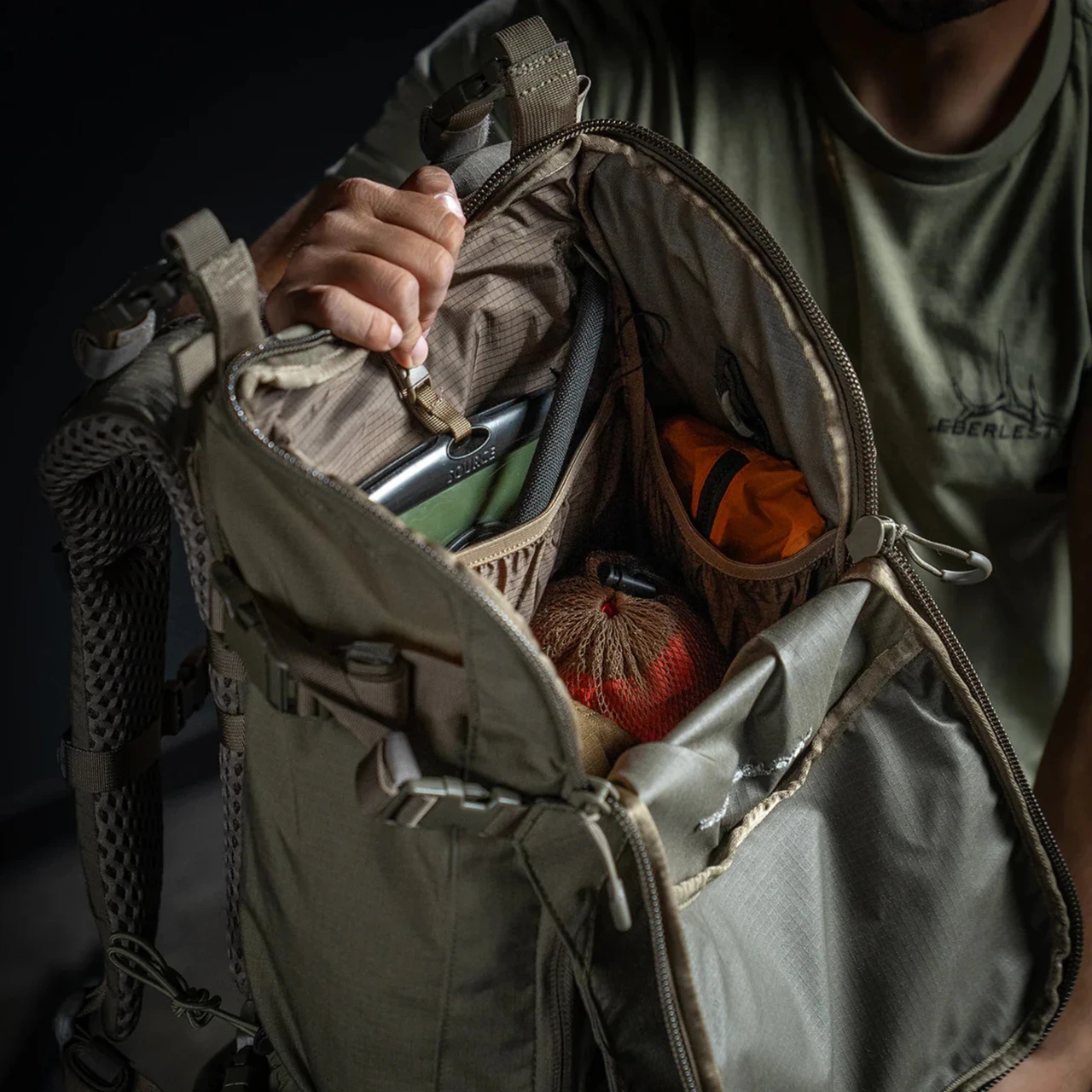
Fig. 3: Water, food, and layers organized for a multi-day hunt
Planning the Hunt, Planning for Contingencies
Every hunt starts with a plan: where you're going, how long you'll be out, what you'll carry, and what you'll do if the weather or the animals don't cooperate. That's contingency planning, and it's the same kind of thinking that helps with a snowstorm, a long power outage, or an evacuation.
Being Stealthy, Tracking, and Shooting Under Pressure
Staying camouflaged and quiet means paying attention to wind, light, terrain, and noise. Tracking helps you notice small details you'd normally walk past, and scouting off trail builds the navigation skills to find your way back out without a phone signal. Shooting with your heart rate up after a long approach feels very different from shooting at the range, which is a good reminder to practice under pressure.
Processing Meat and Feeding Yourself
Field dressing, butchering, and storing meat takes you from the woods to the freezer, and it's a skill you get more comfortable with every season. You're feeding yourself from the woods instead of from the store, which feels pretty different.
Which Emergencies Does Hunting Prepare You For?
Hunting gives you some experience in a lot of situations that look like the ones we plan for:
- Packing an emergency bag for your home or vehicle. You've had to decide what's worth carrying and what isn't.
- Getting stuck in a snowstorm. Staying warm, dry, fed, and calm when you can't go anywhere.
- Dirty water from the faucet. Filtering and purifying water comes with the territory on a multi-day hunt.
- Supply chain disruptions at the grocery store. You've practiced processing and storing food you harvested yourself.
- Bugging out. Carrying a pack over distance, navigating, and sleeping outside.
- Grid-down events. Getting by without the conveniences most people rely on every day.
Is Hunting a Substitute for an Emergency Food Supply?
Not in our view. We don't think anyone should count on hunting for all of their food or living totally off the land in some extreme event. Game isn't guaranteed. Seasons, bag limits, licensing rules, weather, and animal movement all affect what you can harvest, and in a widespread emergency you probably wouldn't be the only one looking.
What hunting does give you is some practical experience living off the land instead of off the system, and we think that makes you better able to adapt. Someone who relies on a delivery driver for every meal is likely going to have a harder time when that stops than someone who can take an animal from field to table. Hunters often have a freezer full of meat too, which is a food supply that's healthy, inexpensive, and came with a lot of education and fun along the way.
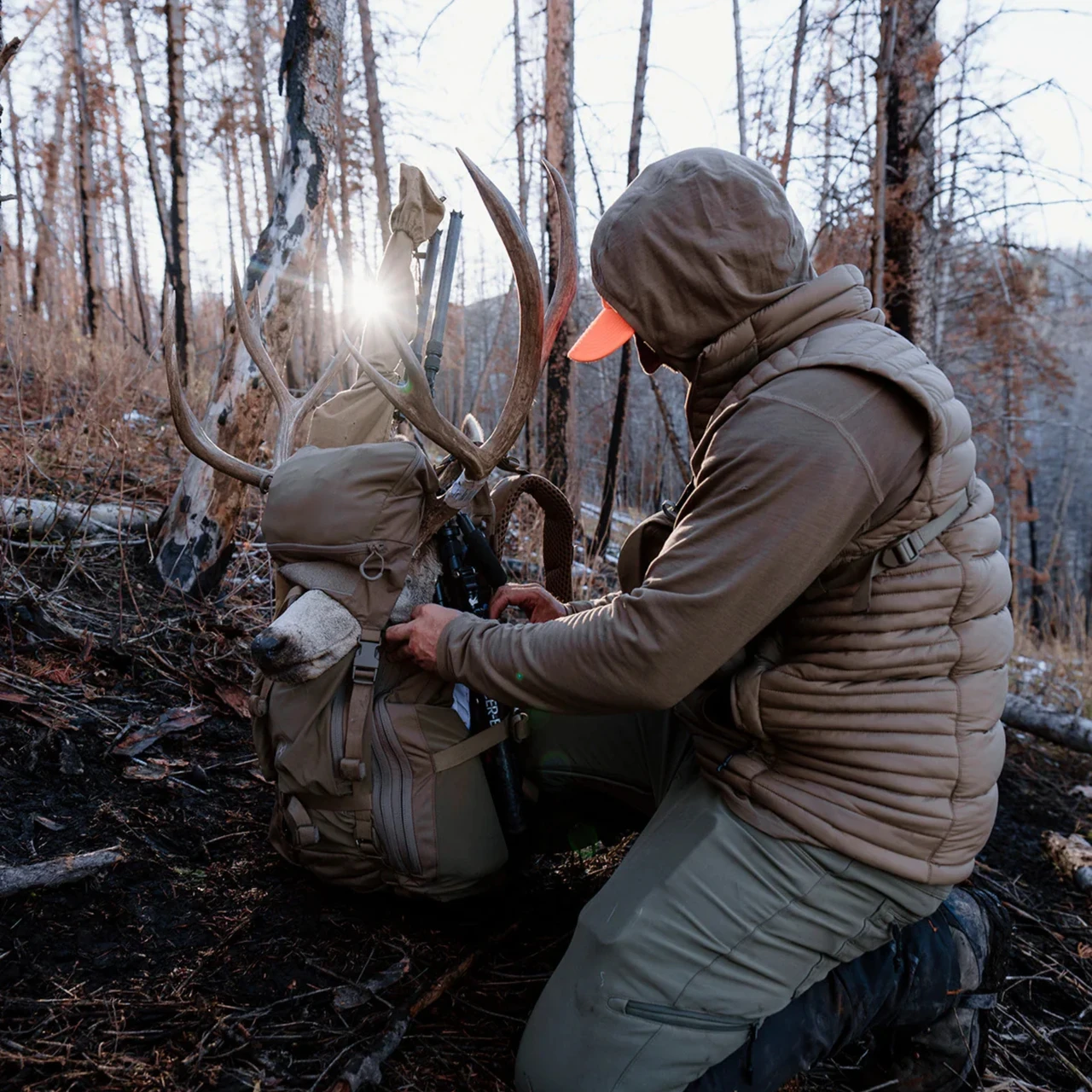
Fig. 4: Getting the load dialed in before heading out
For us, stored food and water still come first. Our emergency food supply guide covers how we think about building that.
What Medical Gear Should You Carry When You're Far From Help?
Hunting takes you away from roads, cell service, and fast response times, and you're working with firearms, sharp tools, and uneven ground. One way to think about an outdoor medical kit is to size it to how long it would take to reach help, not how long the trip is. It helps to plan for severe bleeding, everyday cuts and scrapes, and keeping an injured person warm. Tourniquets and hemostatic gauze can cover the first, a basic wound care kit covers the second, and a hypothermia blanket helps with the third. Knowing how to use what's in the kit matters as much as carrying it.
What Gear Does Double Duty for Hunting and Preparedness?
A lot of the gear many of us already use for hunting can do double duty in an emergency.
| Gear | In the Field | In an Emergency |
|---|---|---|
| Packs and frames | Hauling gear in and meat out | Go-bags and moving supplies on foot |
| Dry bags | Keeping layers and food dry | Protecting essentials in floods and storms |
| Shelter and sleep systems | Overnight and multi-day hunts | Evacuation or an unheated house |
| Water treatment | Backcountry water sources | Boil-water advisories and outages |
| Knives and field tools | Processing game | Cutting, repairs, and general problem solving |
| Lights | Early starts and late returns | Power outages |
| Outdoor medical kits | Injuries far from help | Any delay in professional care |
How Does Hunting Fit Into Self-Reliance?
For us, hunting is one way to build self-reliance, which is what we want to achieve as prepared civilians. It's one piece of a bigger picture. These are some of the parts of preparedness we strive for:
- An effective everyday carry
- Medical gear and knowing how to use it
- An emergency food supply
- Knowing how to maintain your vehicle
- Being physically fit
- Being able to grow and harvest your own food
- Being comfortable in uncomfortable situations
Hunting helps build a few of these directly: physical fitness, harvesting your own food, and being comfortable when things aren't comfortable.
How Do You Get Started With Hunting?
Everyone's path looks a little different, but here's what we'd suggest:
- Take a hunter education course. Most states require one for new hunters, usually based on age, and it's a great place to learn safety, ethics, and regulations. Your state wildlife agency lists the requirements, along with licensing and season dates.
- Find a mentor. Learning from an experienced hunter is a big help, especially for field dressing and handling your first harvest.
- Practice shooting until your accuracy is consistent and your handling feels second nature.
- Train with weight. Load a pack and walk it over uneven ground well before you need to haul meat out.
- Learn to process game with someone who knows how, before you have an animal on the ground.
- Work up to multi-day hunts. Start with day hunts and add nights in the backcountry once you feel good about your gear and skills.
Get outside and build your skills. Whether you're packing out meat or moving supplies on foot, the capability is the same. If you hunt, we'd love to hear what's carried over for you.
Frequently Asked Questions
Is hunting a good survival skill?
We think so, as one part of a broader plan. It builds navigation, load carrying, shooting, water treatment, and food processing skills that can transfer to emergencies. It works best alongside stored food and water, not in place of them.
Do you have to hunt to be prepared?
Not at all. Stored food and water, medical supplies, and a plan are a good place to start. Hunting is one way to build overlapping skills and add food to your supply, but it's optional.
Can hunting replace stored food?
We wouldn't count on it. Game availability varies with season, regulations, weather, and local populations, and in a widespread emergency more people could be competing for the same resources.
Why are multi-day hunts good preparedness practice?
They put you in a self-contained situation for days: packing your own supplies, rationing food, treating water, sleeping outside, and handling problems as they come up. That overlaps with a lot of what an emergency can ask of you.
What gear works for both hunting and emergency preparedness?
A lot of it can, including packs and frames, dry bags, shelter and sleep systems, water treatment, knives and field tools, lights, and a medical kit sized to how far you are from help.
How do you start hunting as an adult?
A good starting point is a hunter education course, learning your state's licensing and season rules, and finding an experienced mentor. Practicing shooting and carrying weight before your first hunt helps too.
Ready to Get Outside?
Packs, frames, and field gear built for long days and heavy loads.
Shop Hunting Packs Outdoor Medical KitsPeter Rome
Off Grid Warehouse
-
 PREPAREDNESS / HUNTING Peter Rome | October 16, 2026 | 7 min read Hunting and preparedness over …Oct 16th 2026
 -
 PREPAREDNESS / FOOD SUPPLY Peter Rome | September 28, 2026 | 9 min read In February 2021, Winter …Sep 28th 2026
 -
 EDC / EVERYDAY CARRY Joe Giumarello | August 21, 2026 | 7 min read Fig. 1: Everything in this …Aug 21st 2026