
Training
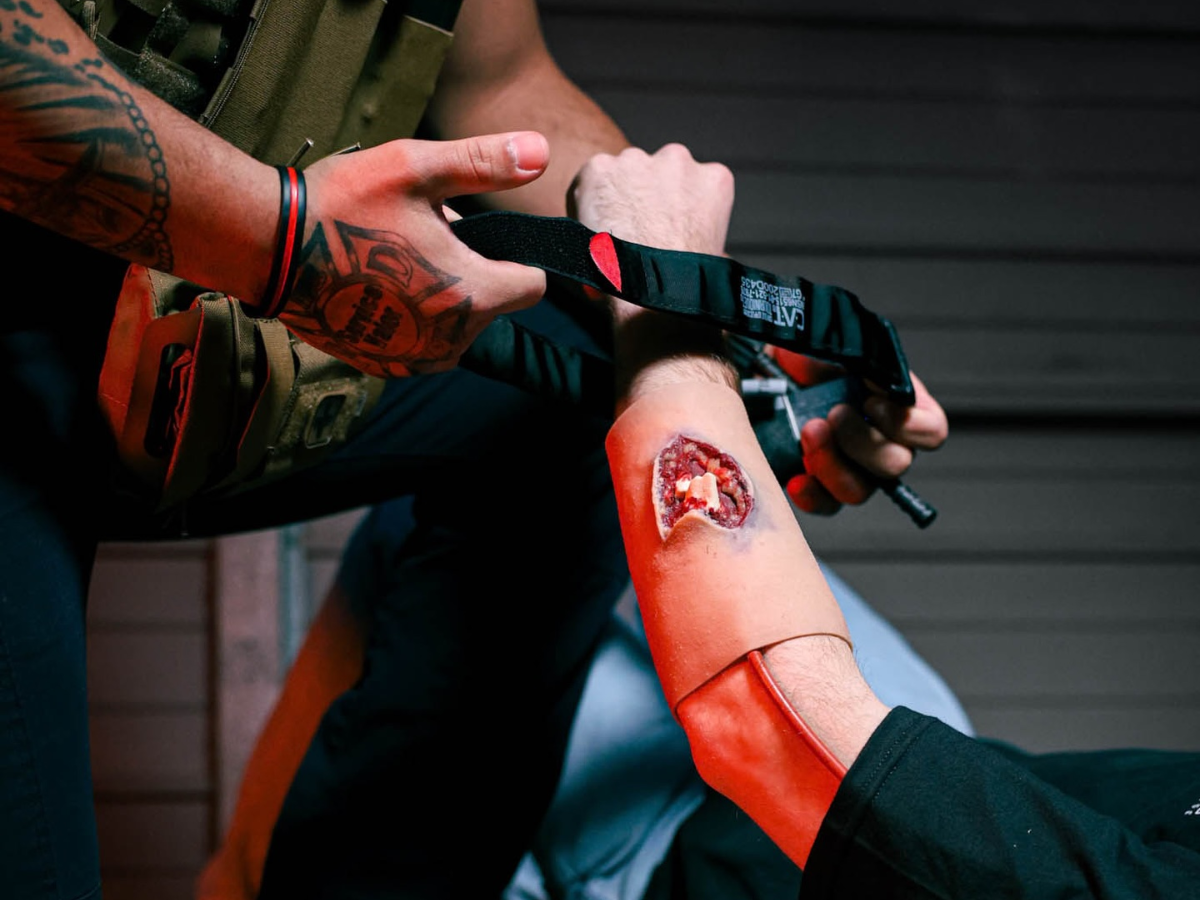
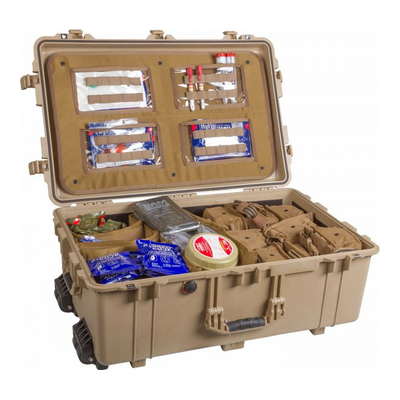
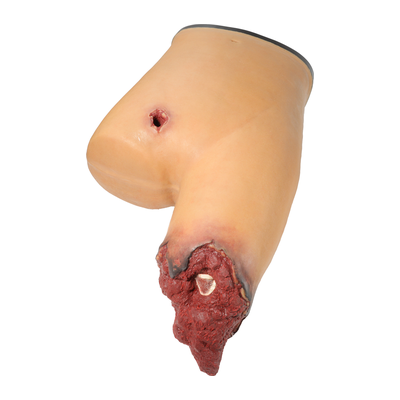
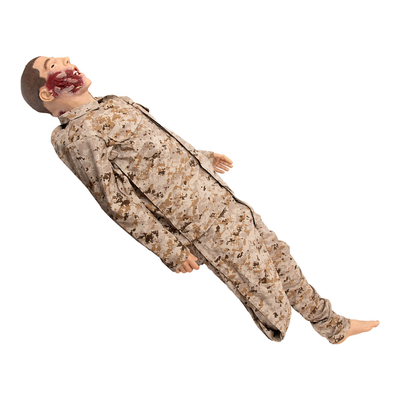
Medical training equipment builds the hands-on skills that turn trauma supplies into saved lives, because in an emergency, people default to what they have practiced, not what they have purchased. Applying a tourniquet correctly under stress, packing a wound, or sealing a chest injury are perishable physical skills, and agencies, instructors, and individuals who take casualty response seriously train them on dedicated equipment rather than expending live supplies. This category serves TCCC and Stop the Bleed instructors, EMS training programs, military units, and civilians building competence.
Options here range across TCCC skill set equipment organized by competency, training kits and supplies including trainer versions of tourniquets and dressings, wound simulation products such as moulage and packable wound trainers, and manikins for full-scenario practice. You'll find equipment from brands like Techline Trauma and North American Rescue, whose blue-coded trainer devices are the standard for distinguishing practice gear from live equipment.
Two principles guide purchases here. First, train on the same models you carry: a trainer version of your actual tourniquet builds the exact motor patterns you will need, which is why trainer CATs exist alongside live ones. Second, realism drives retention, and wound simulators that bleed, accept packing, and provide tactile feedback produce measurably better skill transfer than practicing on a pool noodle. For programs, durable simulators pay for themselves against the cost of consumed live supplies.
Pair training equipment with the live gear it mirrors in medical supplies, keep classroom stock ready with resupply kits, and organize student gear in medical pouches.
- Product
- Qty in Cart
- Quantity
- Price
- Subtotal
-

North American Rescue
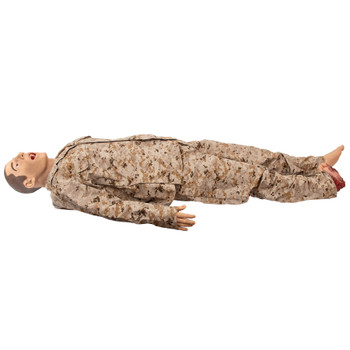
$106,777.99The North American Rescue Water TOMManikin Basic is a waterproof, submersion-proof full-body TCCC training manikin co-developed by NAR Simulation and Techline Technologies Inc. Built for training...$106,777.99Qty in Cart: 0Price:$106,777.99Subtotal:
Tactical Combat Casualty Care divides care into three phases:
- Care Under Fire
- Tactical Field Care
- Tactical Evacuation Care.
The FMST “Principles of TCCC” manual states that Tactical Combat Casualty Care has three overarching goals: