
Preparedness
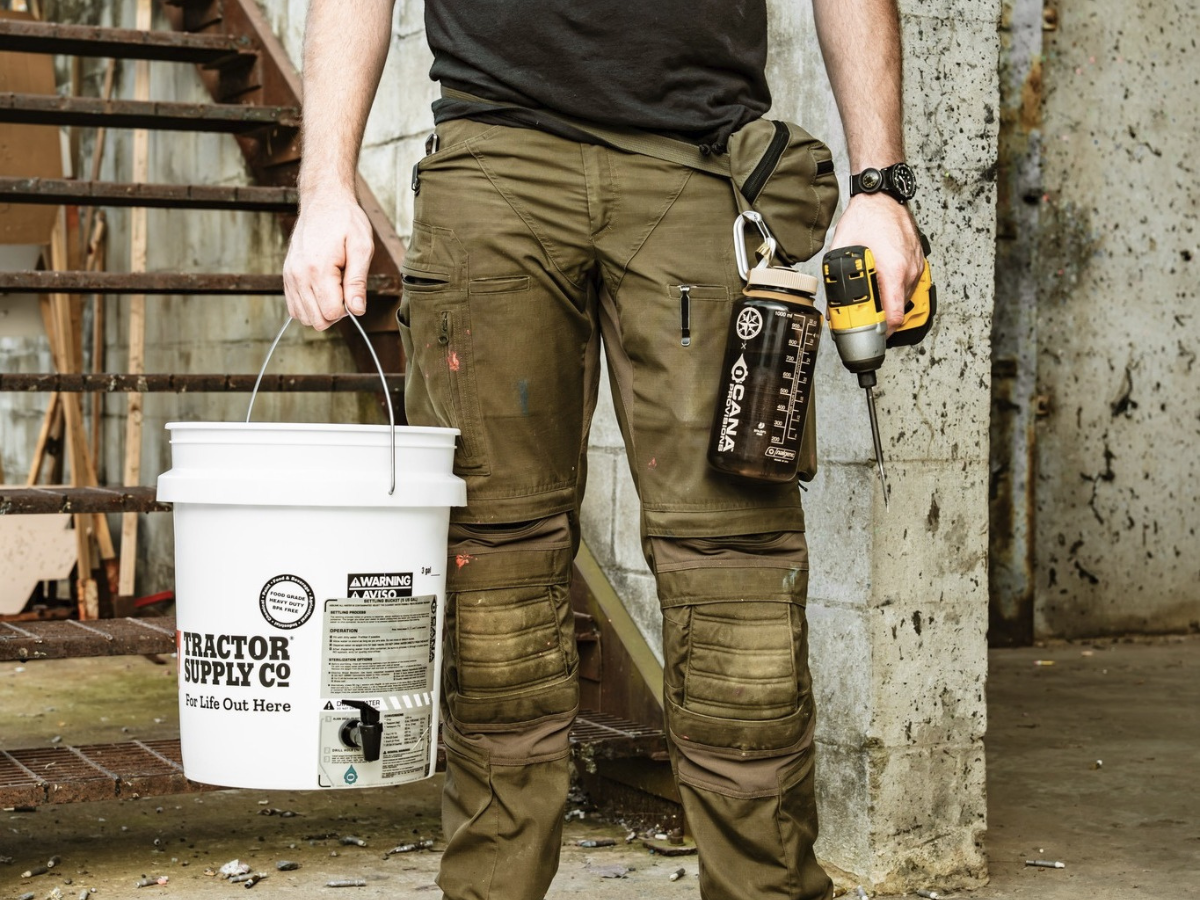
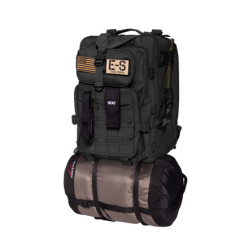
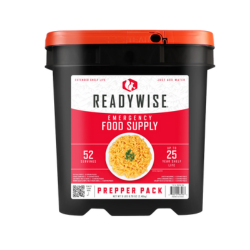
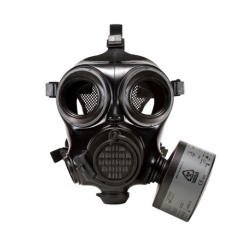
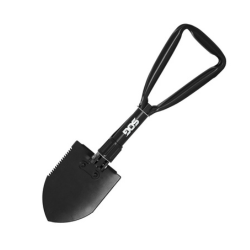
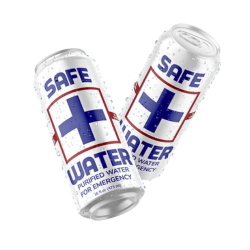
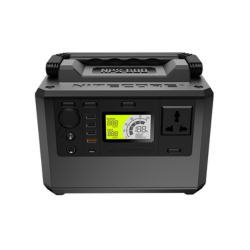
Preparedness supplies give households, professionals, and communities the ability to stay fed, hydrated, powered, and sheltered when normal systems are interrupted, whether by storms, grid outages, or events that keep help from arriving quickly. Preparedness is a capability, not a mindset of fear: a prepared person is an asset to their family and their neighbors, able to handle disruption calmly because the fundamentals are already covered. This category serves anyone building that capability, from first-time kit builders to emergency managers outfitting a facility.
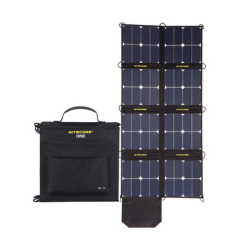
The category covers the core areas of self-sufficiency: emergency food and water, emergency power including power stations and solar, gas masks and filters, ready-to-go bug out bags, shelters and sleep systems, and general survival supplies such as field tools, lighting, and cordage. Supplies come from established brands like ReadyWise, Mayday Industries, MIRA Safety, EMP Shield, and Snugpak.
The most durable approach to building preparedness is layered and needs-based. Start with the universals every household draws on in any disruption, water, food, light, and first aid, then extend into scenario-specific equipment based on your region and risks: power resilience where outages are common, respiratory protection where industrial or wildfire hazards exist, portable kits where evacuation is plausible. Buying in this order means every dollar covers the most likely need first, and supplies should be rotated and inspected on a schedule so readiness is real rather than assumed.
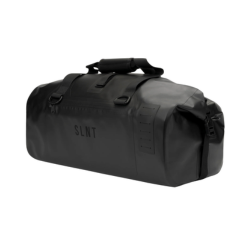
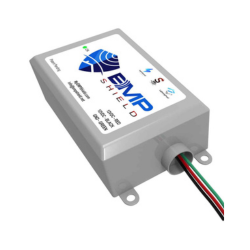
Complement stored supplies with skills-adjacent gear: a medical kit matched to your training, bags and packs to make supplies mobile, and Faraday protection for the electronics your plan depends on.
There are no products listed under this category.
Emergency preparedness is having the supplies, plans, and skills to get through a disruption, like a storm, extended power outage, or evacuation, without depending on outside help right away. It starts with the basics every household relies on: water, food, light, power, first aid, and a way to get information. A written plan for where to go and how to reach family completes it, since supplies only help if everyone knows where they are and how to use them.
Ready.gov's recommended basic kit includes water, a several-day supply of non-perishable food, a battery-powered or hand crank radio with NOAA Weather Radio, a flashlight, a first aid kit, extra batteries, a whistle, a dust mask, plastic sheeting and duct tape, moist towelettes and garbage bags, a wrench or pliers, a manual can opener, local maps, and a cell phone with chargers and a backup battery. From there, add items specific to your household, such as prescription medications, pet supplies, and copies of important documents.
The CDC recommends storing at least one gallon of water per person per day, for a minimum of three days, and a two-week supply if possible. That gallon covers both drinking and basic sanitation, and more is needed for pets, people who are pregnant or sick, and anyone living in a hot climate. Water you bottle yourself should be replaced every six months, while commercially packaged emergency drinking water can be kept until its printed expiration date.
Boiling is the most reliable method: bring clear water to a rolling boil for one minute, or three minutes at elevations above 6,500 feet. When boiling isn't possible, unscented household bleach can disinfect water, at 8 drops per gallon for bleach with 5 to 9 percent sodium hypochlorite, followed by at least 30 minutes of standing time. Portable filters remove bacteria and parasites but not viruses, so the CDC recommends adding a chemical disinfectant such as chlorine after filtering.
Shelf life depends on how the food is processed and packaged. Freeze-dried and dehydrated meals sealed in pouches or buckets are commonly rated for up to 25 years, while canned and boxed foods from the grocery store carry much shorter dates and need regular rotation. Every type lasts longest stored in a cool, dry, dark place, since heat and moisture shorten shelf life. Browse long-term emergency food by type, from full supply kits to bar rations.
A home emergency kit is built for sheltering in place, so it can be large and heavy: water by the case, weeks of food, and power and lighting for the house. A bug out bag is built for leaving, packed into a single bag that one person can carry, usually with about 72 hours of food, water treatment, shelter, and first aid. Most preparedness plans include both, plus a smaller kit kept in the vehicle.
Ready.gov recommends replacing expired items as needed and reassessing your kit every year as your household's needs change. Home-bottled water should be replaced every six months, and batteries, flashlights, and power stations should be tested and recharged on a regular schedule. Setting a recurring date, such as the start of hurricane season or the change to daylight saving time, keeps rotation from being forgotten.
Cana Provisions X Aqua Research H2GO Global Chlorine Disinfectant Generator Kit
The H2gO Global makes its own chlorine disinfectant through electrolysis using only salt and water, with preset doses for 1, 2, 5, 10, and 20 liters at 2.5 mg/L of free available chlorine, in line with CDC Safe Water System requirements. One battery charge treats 300 liters, the battery recharges from the built-in solar panel or a battery pack, and the unit is rated for a lifetime capacity of 124,000 liters (32,000 gallons) with no replacement parts. The Cana Provisions Deluxe Kit adds chlorine test strips, a brine bottle, a caddy, a tether, and Water Data Cards; like any chlorine treatment, it does not remove salt, heavy metals, or chemical contamination.
ReadyWise One Month Emergency Food Supply
Two stackable grab-and-go buckets hold about 30 days of meals at 2,000+ calories and 50g+ of protein per day, totaling roughly 61,940 calories across 298 servings. The mix of freeze-dried and dehydrated breakfasts, entrées, sides, and drinks, from Teriyaki Rice and Pasta Alfredo to pancake mix and whey milk alternative, is prepared by simply adding water. Meals are sealed in Metallyte pouches with up to a 25-year shelf life, and the buckets fit easily in a closet, garage, or vehicle.
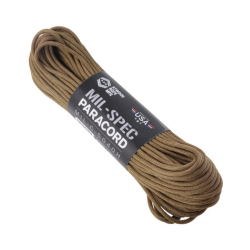
Made in the USA by Atwood Rope, this 5/32-inch (4mm) cord carries a 550 lb tensile strength and weighs about 8 oz per 100 feet. Its 7-strand inner core can be pulled out and used separately, turning one length of paracord into hundreds of feet of usable cordage for lashing, repairs, and shelter building. The cord is UV and rot resistant and colorfast, so it holds up stored in a pack, vehicle, or home kit.
Rite in the Rain Side Spiral Notebook
The 64 pages of Rite in the Rain all-weather paper stand up to water, sweat, and mud without smearing or tearing, so emergency plans, contact lists, and logs stay legible in any conditions. A tough Polydura cover, rust-resistant Wire-O binding, a grid/line page pattern with a table of contents, and printed imperial and metric rulers suit it to field notes and sketches. At 4.875 x 7 inches and 0.2 lbs, it fits a pocket, pack, or kit, and it's made in the USA.